


The Importance of Giving Earnestly
By pursuing approaches to philanthropy that convey sincerity, companies can reap financial as well as reputational benefits.

By pursuing approaches to philanthropy that convey sincerity, companies can reap financial as well as reputational benefits.

People who rise within a hierarchy often develop qualities that make it hard for them work together in groups.

In a hybrid organization, the trade-offs between social and commercial goals are real—and they require careful management.

The response by US foundations to federal welfare reform in the 1990s illuminates their role in policy development.

Iris Bohnet reminds us that we all have our biases—and suggests ways that we might overcome them.
Participatory budgeting, which enables citizens to decide how to spend public funds, is building a more empowering model of democracy.
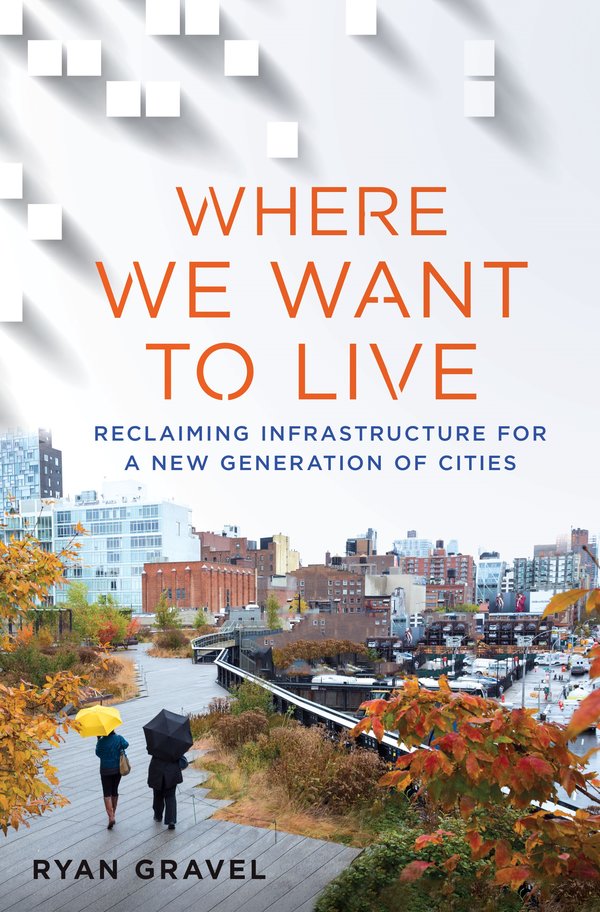
How citizens can push back against urban sprawl and create vibrant, interconnected communities.
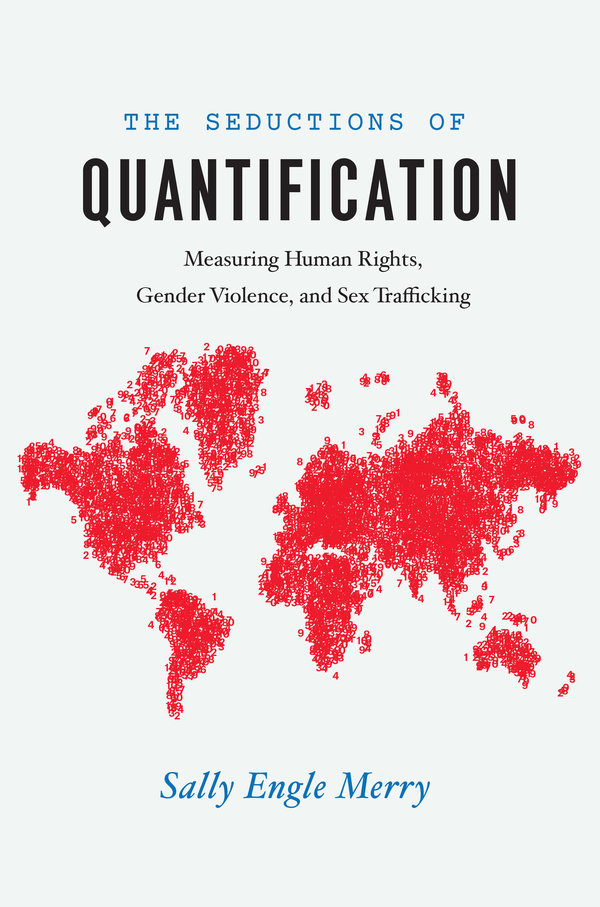
International metrics on human rights, gender violence, and sex trafficking aren't nearly as objective as they seem. But they still have their uses.

Marine reserves that cut across national borders in Africa are protecting underwater life.

How World Wildlife Fund helped organize a global clarion call to stop wildlife crime.